
Money is an important part of everyday life, but many people never learn the basics of managing it. Understanding personal finance can help you make better decisions about earning, spending, saving, investing, and planning for the future.
You do not need to be an expert or have a large income to start managing your money. The important thing is to understand the basic principles and build good financial habits step by step.
In this beginner’s guide, we will explain the fundamentals of finance in simple language.
What Is Personal Finance?
Personal finance is the process of managing your money and making decisions about your financial future. It includes everything from managing your monthly expenses to saving money and investing for long-term goals.
The main areas of personal finance include:
- Income: Money you receive from a job, business, or other sources.
- Expenses: Money you spend on things such as food, housing, transportation, and entertainment.
- Saving: Money you keep aside for future needs.
- Investing: Putting money into assets with the goal of growing your wealth over time.
- Debt: Money you borrow and need to repay.
- Financial planning: Setting goals and creating a plan to achieve them.
Understanding these areas gives you a strong foundation for making better financial decisions.
Why Is Finance Important?
Good financial management can give you more control over your money. Without a basic financial plan, it is easy to spend more than you earn or struggle with unexpected expenses.
Learning finance can help you:
- Control unnecessary spending
- Build savings
- Prepare for emergencies
- Understand debt
- Start investing responsibly
- Work toward financial goals
- Develop better money habits
You do not need to become wealthy overnight. Personal finance is mainly about making consistent decisions that improve your financial situation over time.
How to Start Managing Your Money
1. Understand Your Income
The first step is knowing exactly how much money you receive each month.
Your income could come from a salary, part-time work, a business, freelancing, or other sources. Write down your regular income so you know how much money you have available.
If your income changes every month, use a conservative estimate based on your typical earnings.
2. Track Your Expenses
Once you understand your income, start tracking where your money goes.
Divide your expenses into categories such as:
- Housing
- Food
- Transportation
- Education
- Entertainment
- Shopping
- Bills
- Savings
Tracking expenses can reveal spending habits that you may not notice otherwise.
3. Create a Simple Budget
A budget is a plan for how you will use your money.
For example, if you receive ₹30,000 per month, you might decide how much will go toward essential expenses, savings, and personal spending.
A budget does not mean you cannot enjoy your money. It simply gives every part of your income a purpose.
The best budget is one you can realistically follow. A complicated plan that you abandon after a week is less useful than a simple plan you follow consistently.

What Is an Emergency Fund?
An emergency fund is money saved specifically for unexpected expenses.
For example, you might suddenly need money for an important repair, medical expense, or period when your income is lower than usual.
How Much Should You Save?
There is no single amount that works for everyone. A common long-term goal is to build enough savings to cover several months of essential expenses.
If you are just starting, do not worry about reaching a large target immediately. Start with a small amount and increase your savings gradually.
The key is to make saving a regular habit.
Understanding Debt
Debt means borrowing money that you are expected to repay. Examples include education loans, home loans, personal loans, and credit card balances.
Not all debt has the same cost or risk. The interest rate, repayment period, fees, and purpose of the borrowing all matter.
Why High-Interest Debt Can Be Dangerous
High-interest debt can grow quickly if you only make minimum payments.
Before borrowing money, understand:
- How much you are borrowing
- The interest rate
- The total repayment amount
- Monthly payments
- Any additional fees
Borrowing should be a decision you understand, not something you do without considering the consequences.
What Is Investing?
Investing means putting money into assets with the expectation that they may increase in value or generate income over time.
Common investment categories include:
- Stocks
- Bonds
- Mutual funds
- Exchange-traded funds (ETFs)
- Real estate
Investing is different from saving. Savings are generally focused on keeping money available and relatively stable, while investing involves risk in exchange for the possibility of higher long-term returns.
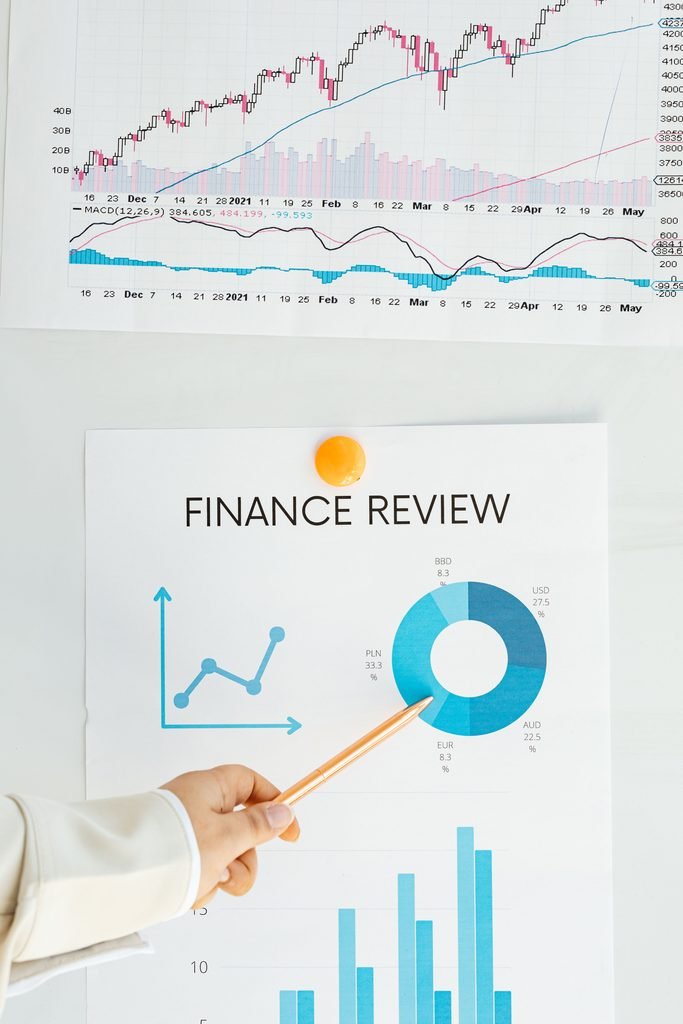
Start With Knowledge, Not Hype
Beginners often make the mistake of investing based on social media posts, rumors, or promises of quick profits.
There is no guaranteed investment that makes everyone rich quickly.
Before investing, learn about risk, diversification, fees, time horizon, and potential returns. Never invest money you cannot afford to lose.
The Importance of Financial Goals
Financial goals give your money a purpose.
Your goals might include:
- Buying a computer
- Paying for education
- Building an emergency fund
- Starting a business
- Buying a home
- Saving for long-term financial independence
Make Your Goals Specific
Instead of saying, “I want to save money,” create a specific target.
For example:
“I want to save ₹50,000 within the next 12 months.”
A specific goal makes it easier to calculate how much you need to save regularly and track your progress.
Common Finance Mistakes Beginners Should Avoid
Spending More Than You Earn
If your expenses consistently exceed your income, your financial situation can become difficult over time.
Ignoring Small Expenses
Small purchases may seem insignificant individually, but frequent unnecessary spending can add up.
Taking Unnecessary Debt
Borrowing money for things you do not need can create financial pressure later.
Chasing Quick Profits
Promises of guaranteed or extremely fast returns should be treated with caution.
Not Learning About Money
Financial literacy is a skill. The more you understand about money, the better prepared you are to make informed decisions.
Final Thoughts
You do not need to understand everything about finance before getting started. Begin with the basics: know your income, track your expenses, create a budget, build savings, understand debt, and learn about investing before putting your money at risk.
Good financial habits are built over time. Small, consistent improvements can make a significant difference to your financial future.
The goal of personal finance is not simply to have more money. It is to learn how to manage the money you have and use it effectively to achieve your goals.